

- No products in the cart.
Contemporary craftsmanship: preserving heritage, dialoguing with the present
The craft industry is going through a pivotal moment today. Long perceived as the immutable guardian of know-how, it can no longer be satisfied with a fixed heritage role. In a world shaped by speed, image and permanent innovation, the craft that lasts is one that reinvents itself without denying itself.
The crafts draw their legitimacy from tradition. The gestures transmitted, the mastery of the long term, the intimate understanding of the materials remain the absolute foundation of any exceptional creation. It is precisely this historical depth that distinguishes the craftsman from industrial production. However, tradition must never become a pretext for immobility. When it no longer evolves, it turns into nostalgia, and nostalgia eventually gathers dust.
Contemporary craftsmanship is called upon to dialogue with its time. Trends, fashion, uses and aesthetic expectations of luxury customers are constantly evolving. Ignoring these signals is tantamount to cutting yourself off from your audience. Conversely, understanding them allows us to breathe new vitality into old techniques. An ancestral gesture can be perfectly expressed through a contemporary line, a bold volume or a contemporary visual narrative.
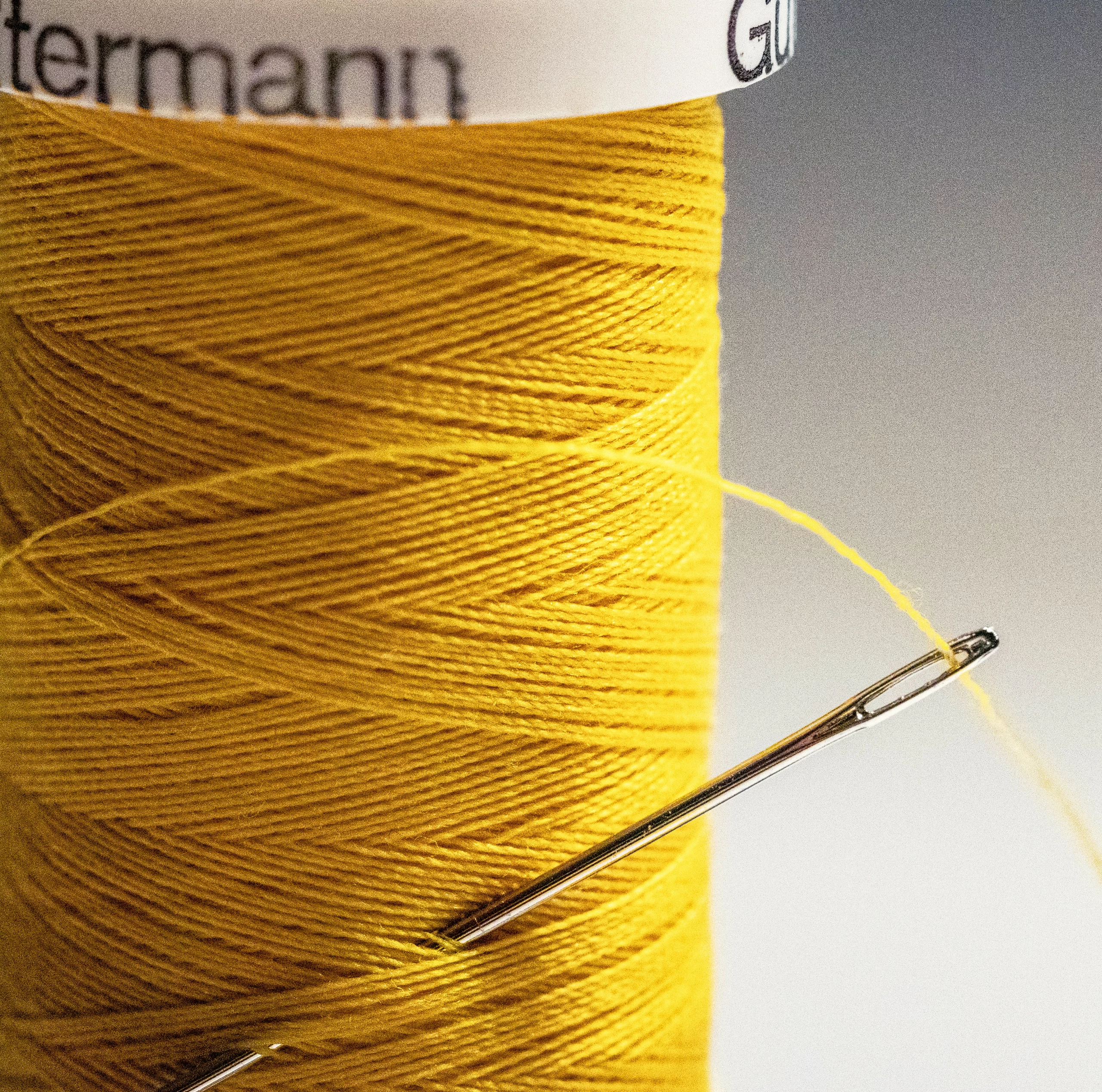
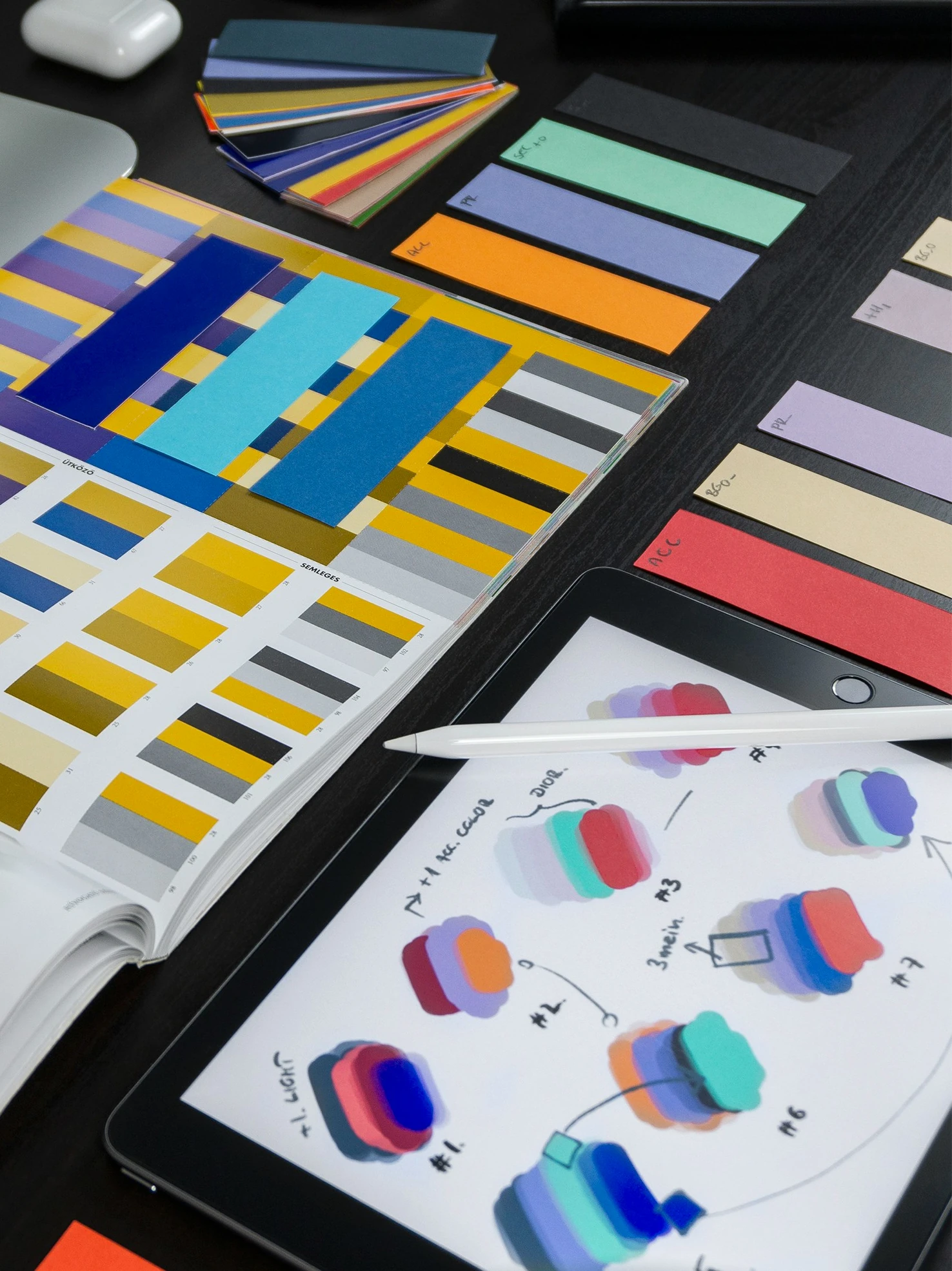
Tools, trends and modernity: artisanal luxury in the contemporary era.
Modern technology plays a key role here. Digital tools, assisted design, new shooting technologies, modelling, prototyping or digital communication do not replace the hand of the craftsman: they augment it. They offer increased precision, a wider capacity for experimentation and a presentation of work that meets today’s standards of luxury. Innovation then becomes a natural extension of know-how, not a breakthrough.
In the made-to-measure, haute couture, photography and image sectors, this hybridization has become essential. The client is looking for both the authenticity of the gesture and the modernity of the result. He wanted a play rooted in history, but capable of dialoguing with his time, its codes and his imagination.
The crafts of tomorrow will not be backward-looking or excessively technophile. He will be demanding, curious and aware of his value. Resting on solid foundations while accepting to transform oneself is now an opportunity. Because it is in this link between tradition and modernity that the most accurate, desirable and daring creations are born.
The contemporary customer is not looking for the past. He is looking for meaning, emotion and an accuracy inherited from yesterday's demands. True artisanal luxury is born precisely from this balance: controlled gestures, a current vision, and an ability to respond to today's uses, images and desires.
Nathalie Lamielle-Widmer
CRAFTSMANSHIP AND CONSUMER CULTURE: REDISCOVERING THE MEANING OF CREATION.
The current consumer culture has profoundly changed our relationship with objects. Clothing is produced in large quantities. The collections follow one another at an ever faster pace. This pace encourages impulse buying and trivializes the disposable nature of the pieces. Many objects are not worn much. Then, they disappear, or remain forgotten in the bottom of drawers. The object then loses its symbolic value and becomes a simple passing product.
Faced with this dynamic, craftsmanship offers a radically different approach. Time is once again becoming a central element of the creative process. Each piece is born from a precise choice of material, a masterful gesture and a clear intention. The attention to detail transforms the object into a sustainable creation rather than a short-lived product.
In the fields of customization, sewing or visual creation, this approach gives meaning to the act of producing. A handcrafted piece doesn’t just follow a trend. It affirms an identity, a requirement and a direct relationship between the creator and the person who wears it.
Thus, at a time when objects are moving ever faster, craftsmanship reminds us of the value of time, material and gesture. He proposes a more conscious, more sustainable and profoundly singular creation. Because when an object is designed to last, it goes beyond simple function. It becomes a presence, a memory and a signature.

Stéphan / About Author
Stéphan, photographer and director, began his career behind the lens before moving into documentary and advertising film production. In 2016, he founded his own studio and gallery, where striking visuals and digital marketing innovations come together. His avant-garde approach explores the boundaries of art and digital communication, brilliantly and accurately capturing the essence of the contemporary world.